In the world of plastics recycling, plastics in packaging are without a doubt the most widely recycled of all plastic materials. Compared to a complex product like a mobile phone, which may consist of a wide range of materials, fasteners and adhesives, it's a lot less complicated to recycle a plastic bag, tray or wrapping made entirely from a common material like polyethylene.
Additionally, the kind of high-performance plastics that are often favoured in consumer electronics typically contain all kinds of additives, from fire-retardants and UV-resistance to colourants and finishes. Removing these additives makes the recycling process harder still, which goes some way to explain why recycling doesn't happen on a bigger scale with these materials. But that may be about to change.
MBA Polymers, a plastics recycling company based in Austria and USA, has developed a process for extracting high-impact polystyrene (or HIPS), polypropylene and ABS from mixed plastic waste, including plastics that have been 'contaminated' with various additives. MBA Polymer's materials and others' like them are finding their way into more and more applications where recycled materials are currently not widely used.

One of the graduates from this year's crop of
BA (Hons) Product Design students at Central St Martins College of Art & Design,
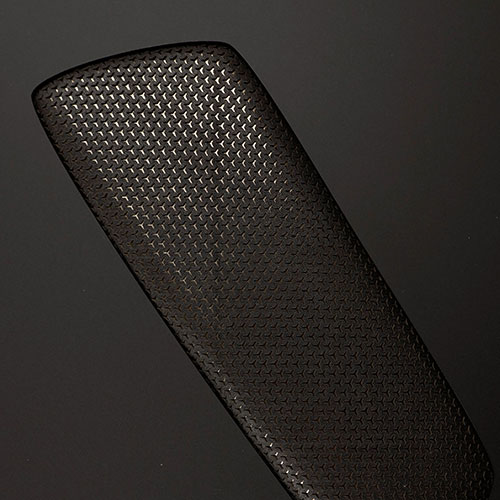
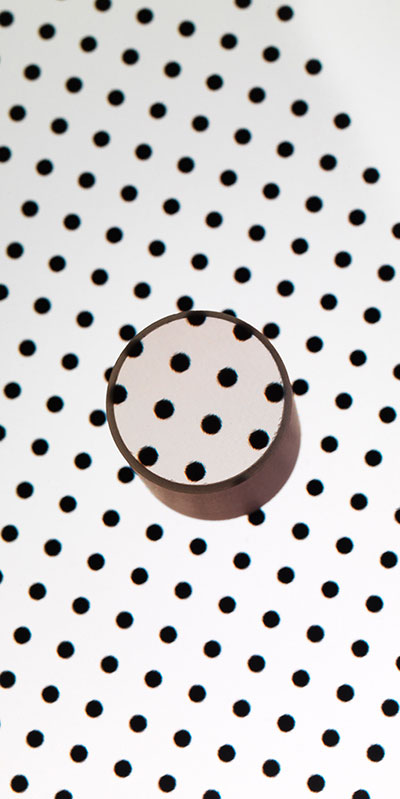
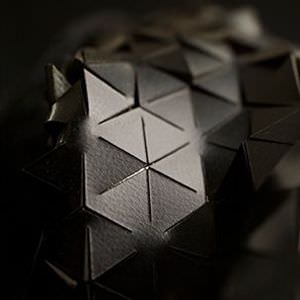
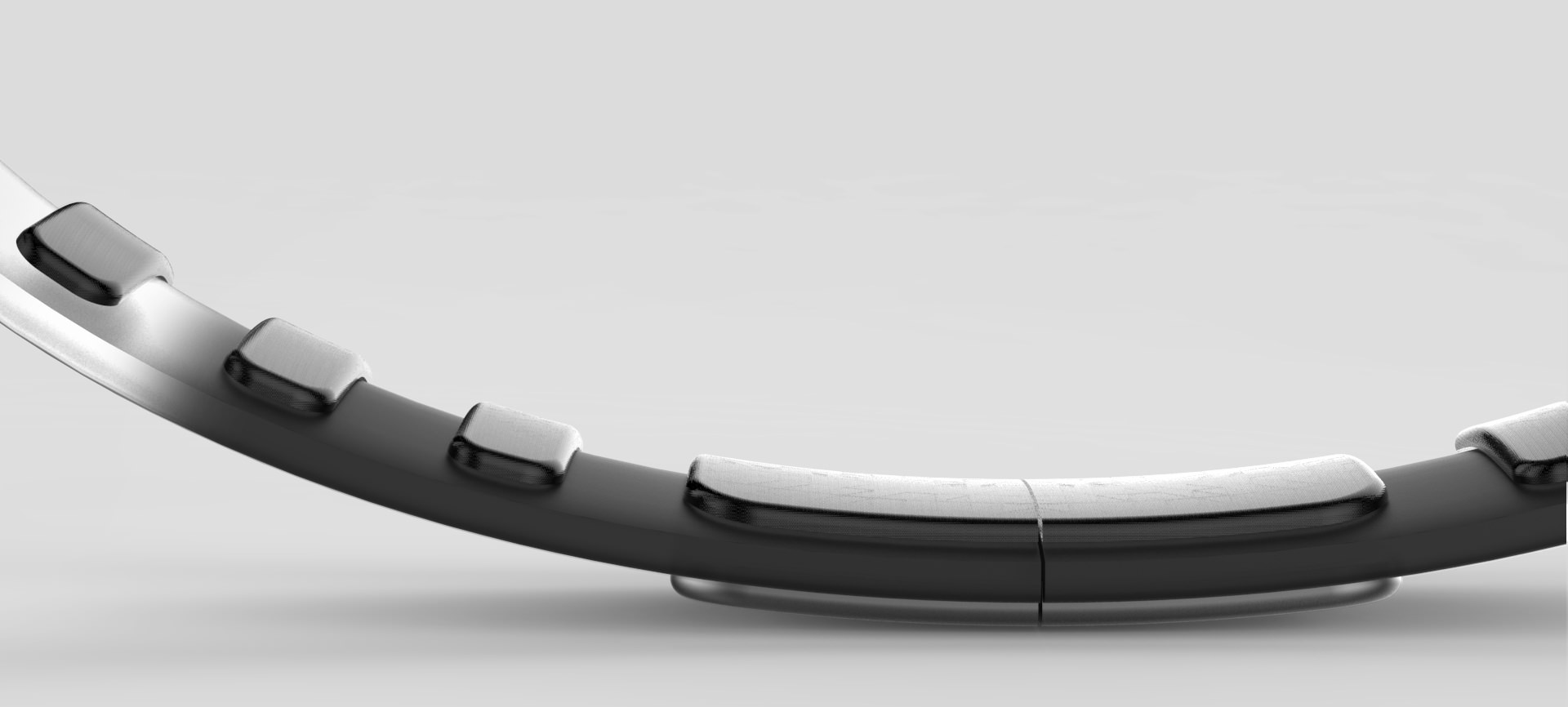
James Barber proposes a mobile phone concept for Nokia that looks into using recycled ABS for the casing and button set. In his own words -
'Normally, ABS flakes can't be made into new cellphones because different coloured plastics are mixed together during re-melting, and the plastic loses it's smooth, glossy finish. This product isn't reliant on a polished surface, which would no doubt scratch easily during use. Instead, a spark finish lends the design a hardened, durable style which is more immune to scratches. All of the plastic components of the phone are green-coloured, so the colour remains the same after re-melting.'

Further making the case for recycled ABS, James points out that
AT&T are experimenting with using recycled ABS flakes from old phone casings in cable spools and wall mounting brackets for new phones.

Looking at the sustainable future of mobile phones from a different angle,
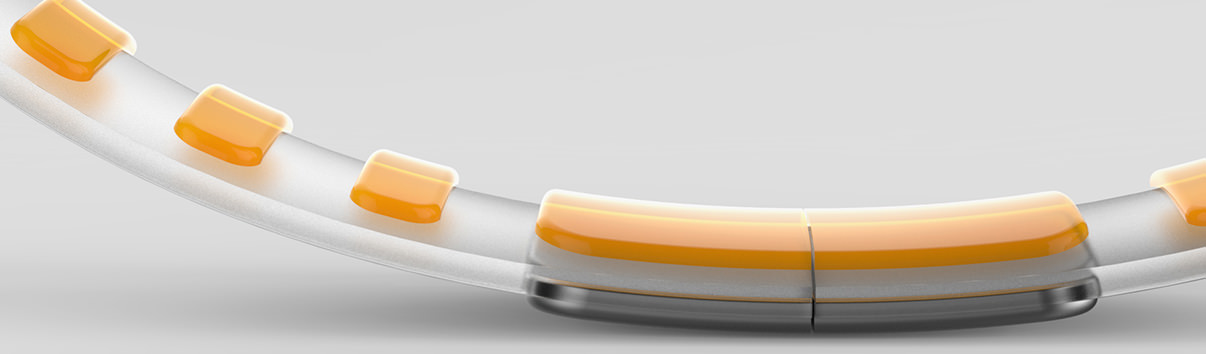
Sara Chung, another student at the Central St Martins BA Product Design course, proposes an alternative technology for mobile phone batteries. Completely free from heavy metals like cadmium, lead and mercury, the technology goes by the name of
NoPoPo, or 'no-pollution power', which relies on a chemical reaction between water and an alloy of magnesium and carbon to generate electricity.

NoPoPo batteries are already on the market and according to the manufacturer, a single AAA battery can power a handheld torch for up to 20 hours. The batteries can be recharged after use and a range of liquids can be used besides pure water - beer, fruit juice and (in emergencies?) even saliva and urine have been tested.
BA (Hons) Product Design 2009 degree show, Central St Martins College of Art & Design, 19 - 25 June, Southampton Row, London WC1B 4AP.